Science
Ilori class explore Epping Forest
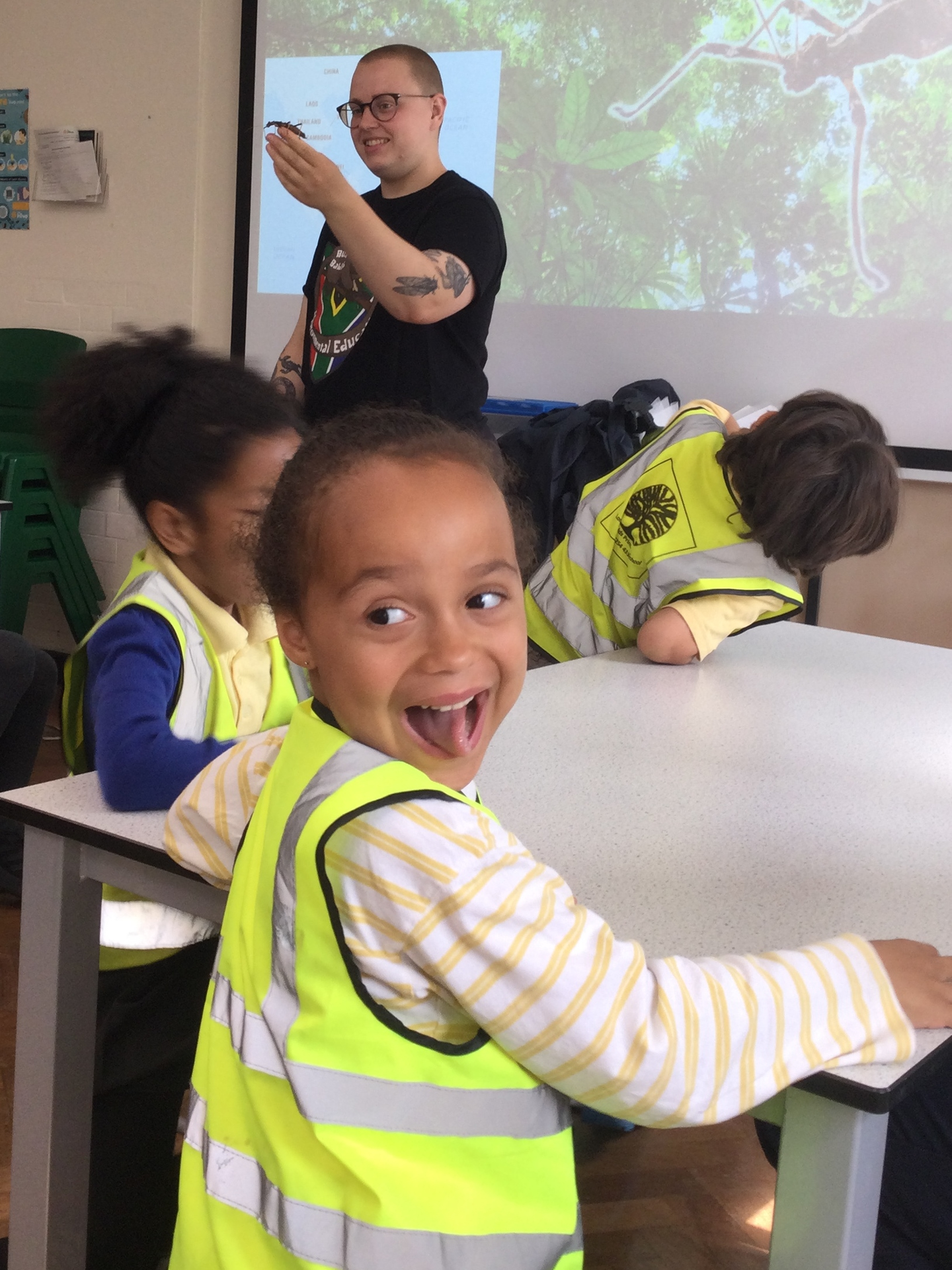
Ilori class had the best time on their trip to The Hive at Epping Forest. The children (and Chrissie!) were very courageous as they held some fascinating animals, such as a corn snake, a fire salamander and even a hissing cockroach! After their delicious picnic they explored the forest; building dens, listening to the birds and admiring the trees, before getting the coach back to school.
Chicks in Year 5!
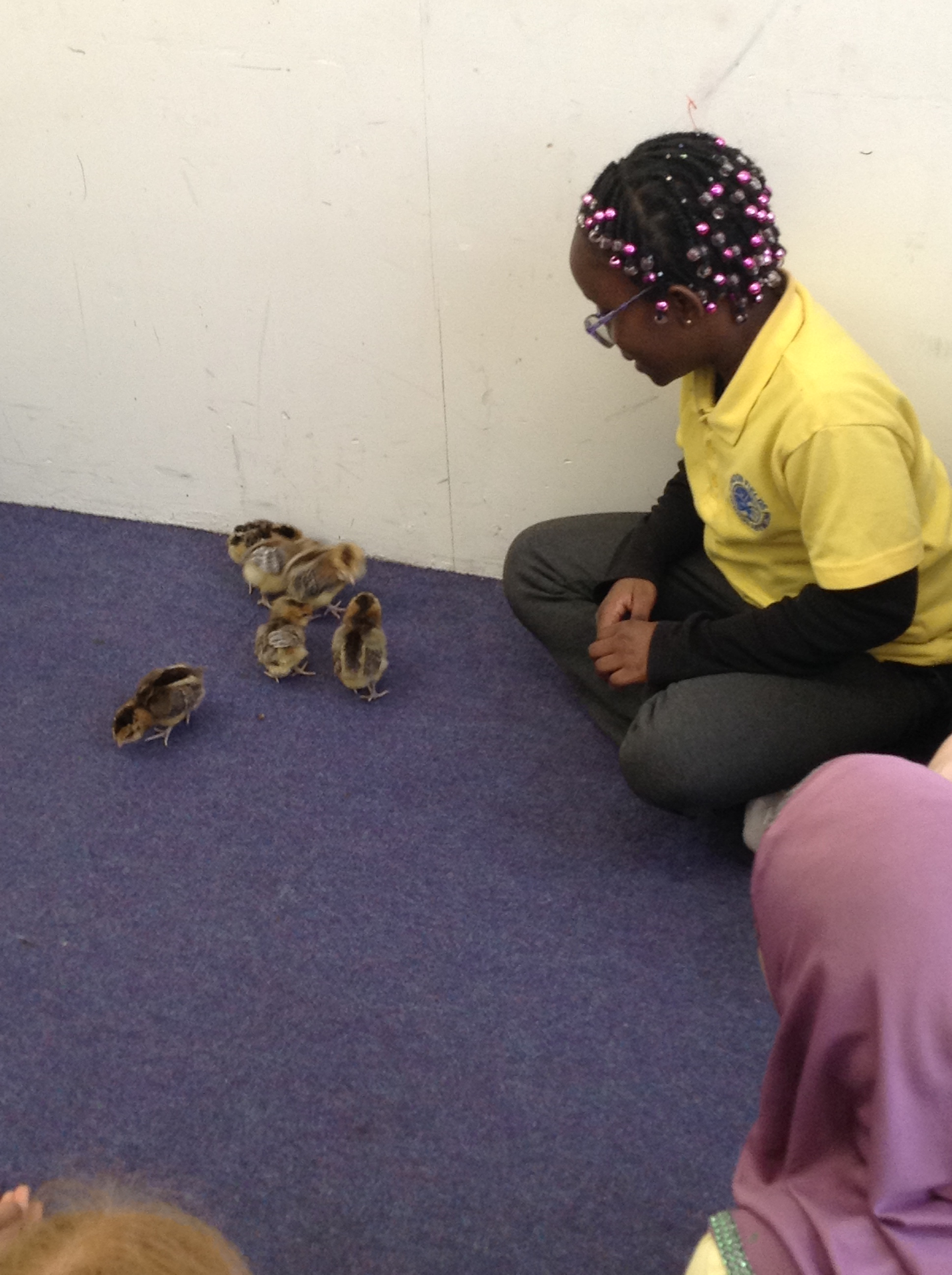
Year 5 have been lucky to look after some chicks as part of their Science learning! It was amazing to be able to witness them hatch and grow into fascinating creatures that they are. We took on the responsibility of caring, cleaning and feeding them! Please ask us about our time with the chicks!
Year 5 meet some fascinating creatures!
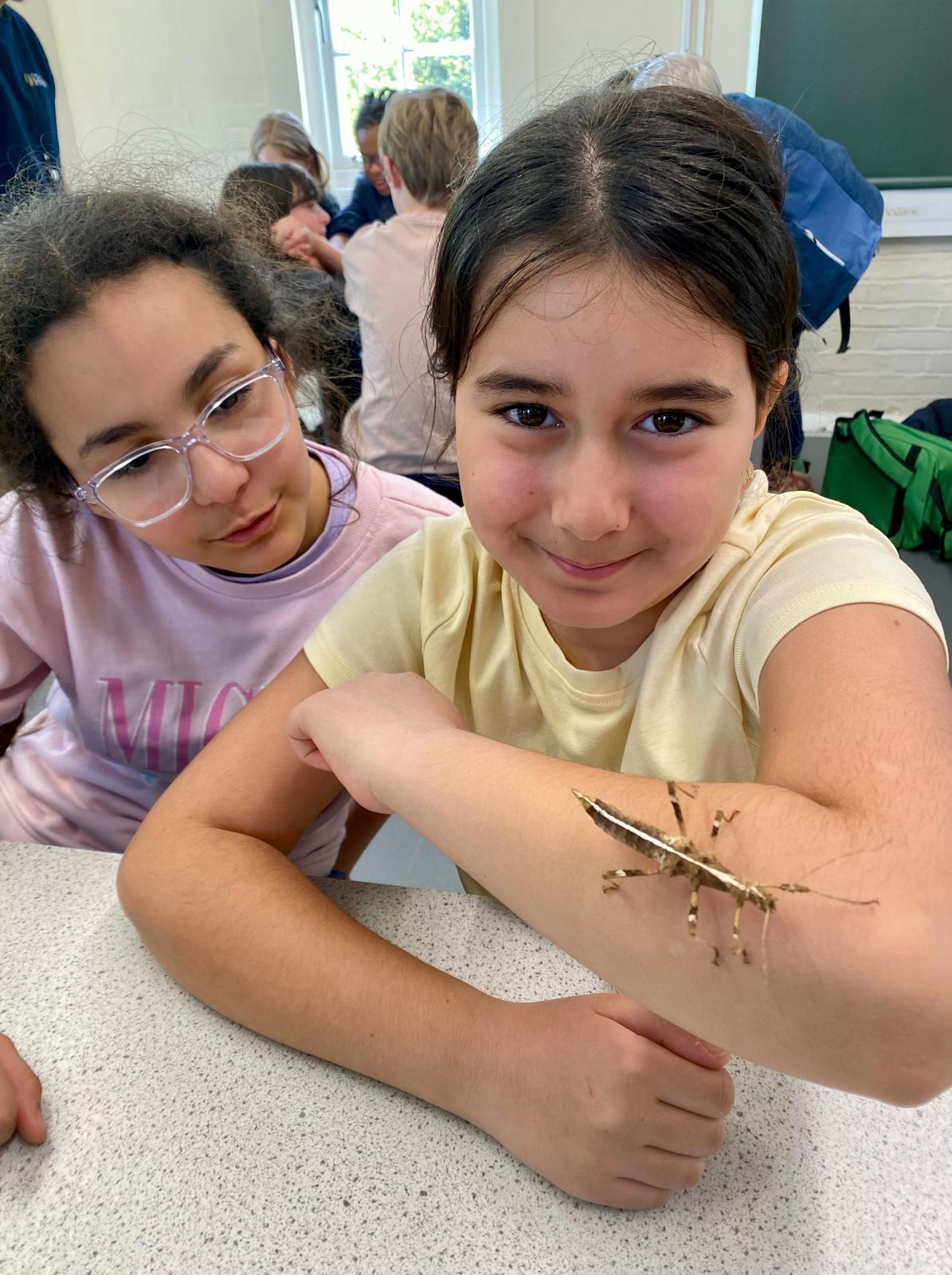
It has been another wonderful morning in Epping Forest and this time we've been meeting all kinds of amazing creatures. Some of us have even been brave enough to hold them! We can't wait to tell you all about it this evening!
Science at London Fields Primary School
Science is a vibrant subject at London Fields about which we are incredibly passionate, and have been awarded the Primary Science Outreach Quality Mark. Children have lots of questions about the world around us and we aim to provide them with the necessary core scientific knowledge and investigative skills to answer their questions about those processes. Our curriculum provides a rich variety of topics that cover all the core scientific disciplines and contexts that the children can relate to their everyday lives building on their Science Capital. We aim to give all children the skills and tools to become lifelong scientists.
Our Science Curriculum develops essential characteristics of scientists:
- The ability to think independently and raise questions about working scientifically and the knowledge and skills that it brings.
- Confidence and competence in the full range of practical skills, taking the initiative in, for example, planning and carrying out scientific investigations.
- Excellent scientific knowledge and understanding which is demonstrated in written and verbal explanations, solving challenging problems and reporting scientific findings.
- High levels of originality, imagination or innovation in the application of skills.
- The ability to undertake practical work in a variety of contexts, including fieldwork.
- A passion for science and its application in past, present and future technologies.
How Science is taught at London Fields Primary School
The Science curriculum is designed to help children form a Science scheme within their long-term memories.
Schema theory states that all knowledge is organised into units. A schema is, therefore, a conceptual system for understanding knowledge.
Our Science schema is a way of organising Science semantic and procedural knowledge in a meaningful way; it is an appreciation of how facts are connected and the ways in which they are connected. It is distinct from information, which is just isolated facts that have no organisational basis or links.
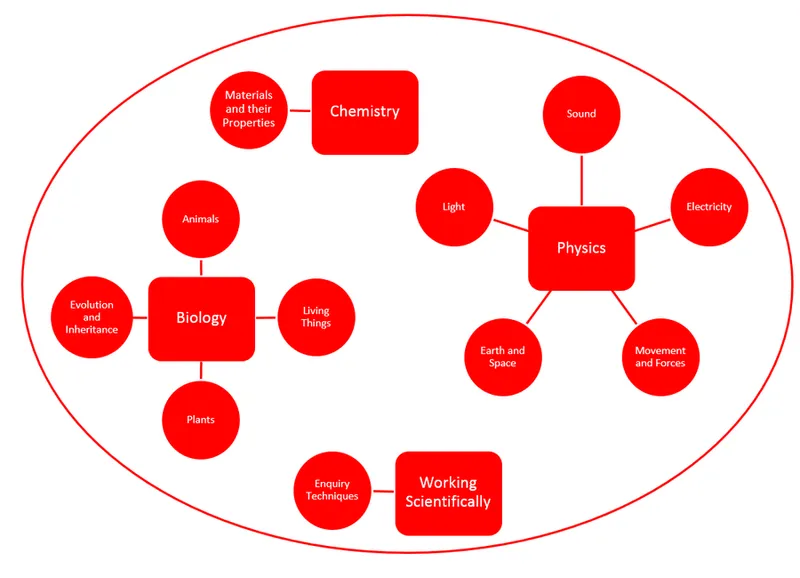
Big Ideas help form the basis of the schema. Big Ideas are key concepts that underpin the subject. There are four Big Ideas in Science:
- Working Scientifically (Planning and carrying out scientific enquires)
- Chemistry (Becoming familiar with a range of materials, their properties, uses and how they may be altered or changed)
- Biology (Understanding living organisms structure, adaptations and environment)
- Physics (Understanding how energy, forces and matter in space and time relate to each other)
Each Big Idea has facets of knowledge (knowledge categories) which help to strength the schema. Learning knowledge in each of the categories allows pupils to express and demonstrate their understanding of the Big Idea.
The EYFS curriculum prepares pupils for Science in Year 1 and beyond Our Science curriculum. In EYFS children explore the natural world around them, making links between ideas and things that they notice or observe, asking questions, recording and drawing their discoveries. This forms a large part of our weekly Forest School which supports pupils to explore the natural environment. From planting seeds and bulbs and watching them grow over time to learning about the life cycles of animals when building a Bug Hotel and bird feeders, children are given opportunities for hands-on exploration. Shared texts such as Eco Girl and Clean Up! are used to develop a wider awareness of the world and the half termly focus ‘Animals’ exposes pupils to a range of fiction and non fiction texts that underpin our Big Ideas in Science.
Click here for more general information about the curriculum.
Click here for more information about the EYFS curriculum.
Click here for more general information about the curriculum.
Science Trips, Visitors and Workshops
We are lucky to have a range of science-focused venues and opportunities for practical field work on our doorstep. We’re constantly looking for new and meaningful experiences that will enrich the scientific understanding and investigative skills of the children we teach and further develop a deep understanding of the Bid Ideas in Science. Previous trips have included the Royal Institution, London Zoo, Waterworks Nature Reserve, Horniman Museum, Greenwich Royal Observatory, Science Museum, Hackney City Farm and many more. In addition to this, we host a range of workshops at school, such as School of Noise.
Science at Home
There are lots of ways in which you can support your child with their Science learning.
- Spend time outside making and talking about scientific observations
- Visit Science venues and museums
- Check our website for Science competitions
- Ask your child about their Science learning – they will have lots to tell you!
- Engage in scientific enquiries such as planting seeds; making observations over time of the changing seasons, the moon or growth of a family member/pet; making shadows or identifying reversible and irreversible changes in the kitchen whilst cooking.
You might find some of the following websites useful: